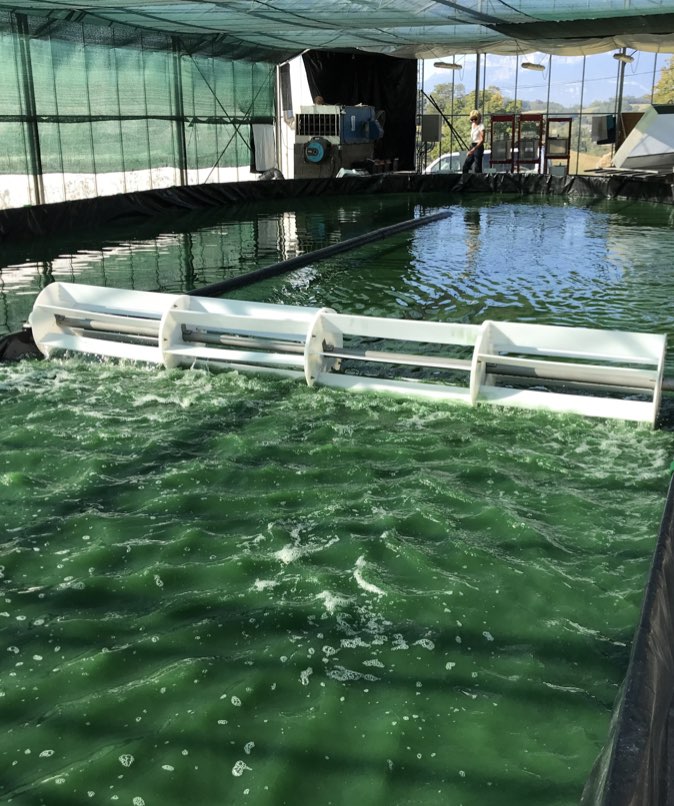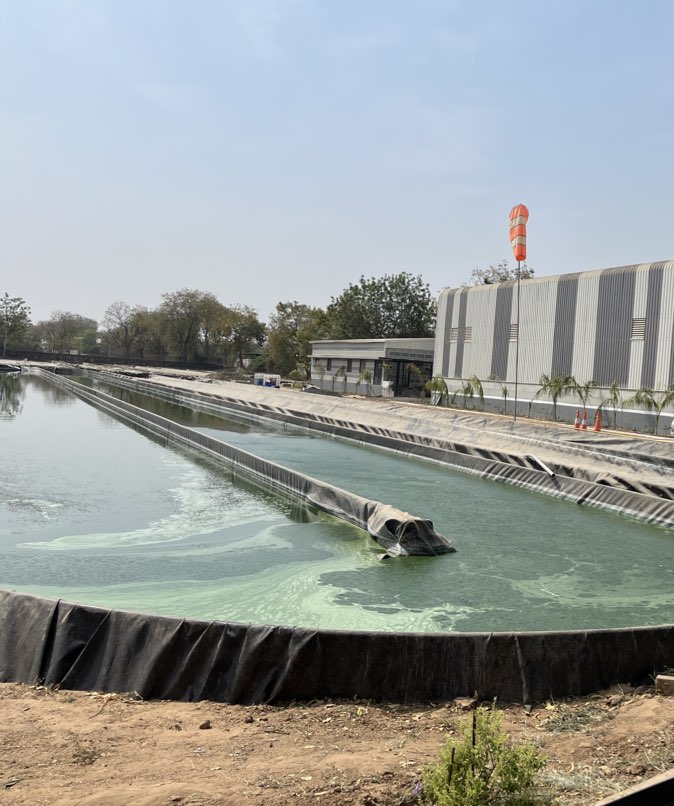
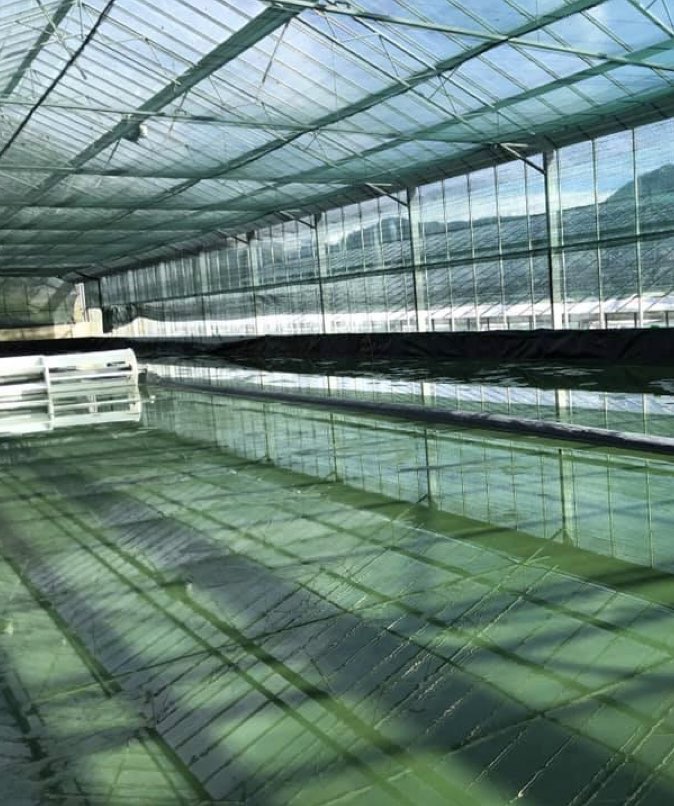
Spirulina cultivation excels at CO2 sequestration through photosynthesis, absorbing significant amounts of the greenhouse gas and releasing oxygen in return. This process can achieve carbon neutrality or even negative emissions when powered by renewable sources like geothermal energy, far outperforming land-intensive crops or livestock. Unlike traditional farming, it requires no arable land, preventing deforestation and soil degradation while using marginal areas effectively.
Sustainable spirulina farming represents a powerful approach to regenerative agriculture that minimizes environmental harm while maximizing planetary benefits. By leveraging spirulina's natural resilience and efficiency, this method reduces resource demands and actively restores ecosystems.
Producing 1 kg of spirulina protein demands 26 times less land than soybeans and 318 times less than beef, making it ideal for resource-scarce regions. It thrives in brackish or saline water with minimal freshwater input, often recycling wastewater to remove nitrates and ammonia, thus combating eutrophication. High pH environments (above 9.5) naturally deter contaminants, streamlining production without chemical inputs.
Spirulina acts as a natural bioremediator, purifying polluted water and air while generating byproducts like biofuels and biodegradable packaging from residual biomass. Its closed-loop systems eliminate nutrient runoff—achieving near 100% efficiency—unlike conventional fertilizers that pollute waterways. Large-scale farms enhance oxygen levels and support food security without ecosystem disruption.
Partner with ABGVB, India's premier spirulina innovator, to integrate planet-protecting superfoods into your supply chain. Visit abgvb.com today to source premium, sustainably farmed spirulina and elevate your wellness products.

Sustainable spirulina farming creates closed-loop nutrient systems that mimic natural ecosystems, recycling biomass and water with zero waste. Harvested spirulina biomass can be processed into high-value products like animal feed, cosmetics, and biofertilizers, while the remaining culture medium gets replenished with minimal external inputs. This approach eliminates the need for synthetic fertilizers, which often lead to soil acidification and groundwater contamination in conventional agriculture.
By empowering small-scale farmers in regions like Gujarat, India, spirulina cultivation fosters rural development and food sovereignty without compromising environmental integrity. Operations generate jobs in harvesting, drying, and packaging while providing affordable nutrition to combat malnutrition. Globally, scaling these practices could offset millions of tons of CO2 annually, supporting UN Sustainable Development Goals for climate action and zero hunger.
Ready to harness the power of sustainable spirulina? Contact ABGVB today at abgvb.com to source premium, eco-friendly spirulina for your nutraceutical or wellness brand—join the green revolution now!