
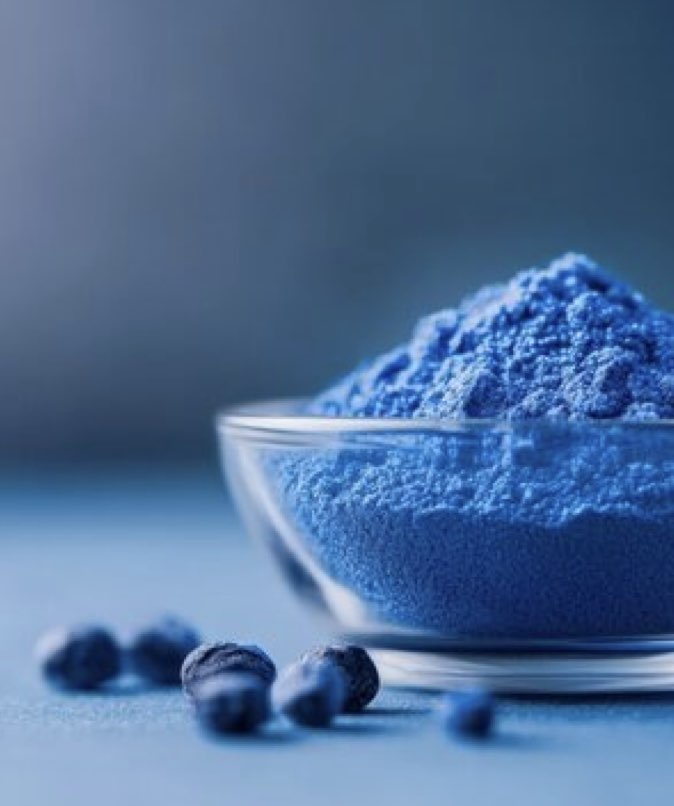
In recent years, people have become increasingly interested in natural ways to support brain health, memory, and overall cognitive function. One compound that has attracted a lot of attention is phycocyanin, the natural blue pigment found in Spirulina. While it is widely known for giving Spirulina its vibrant blue color, phycocyanin is more than just a pigment—it is emerging as a promising ingredient for protecting the brain and supporting cognitive wellness.
What is Phycocyanin? A Quick Overview
Phycocyanin is a powerful antioxidant. Our brains are particularly vulnerable to oxidative stress, which occurs when harmful free radicals build up and damage brain cells. This oxidative damage is a key factor behind memory loss and age-related cognitive decline. Studies suggest that phycocyanin can neutralize these free radicals, helping to protect neurons and maintain healthy brain function. By reducing oxidative stress, it can help keep the brain’s cells healthy and support clear thinking.
Another important way phycocyanin supports the brain is through its anti-inflammatory effects. Chronic inflammation in the brain has been linked to memory problems and slower cognitive processing. Research has shown that phycocyanin can help calm inflammation in the brain, creating a healthier environment for neurons to communicate effectively. This can improve memory retention, learning, and overall mental clarity.
Phycocyanin also appears to support the brain’s energy centers, the mitochondria. Healthy mitochondria are essential for neurons to function properly, and when they struggle, brain cells may become fatigued or damaged. Studies indicate that phycocyanin can help protect mitochondrial function, giving brain cells the energy they need to stay active and resilient.

In addition, phycocyanin may influence important growth factors in the brain, like Brain-Derived Neurotrophic Factor (BDNF), which supports the growth and survival of neurons. These growth factors play a key role in learning and memory, helping the brain form new connections and adapt to new information. By supporting these pathways, phycocyanin contributes to better cognitive performance and overall brain health.
While most research so far has been conducted in laboratory and animal studies, the results are promising. They suggest that incorporating phycocyanin, either through Spirulina-rich diets or supplements, could be a natural way to protect the brain and support mental sharpness over time.
Discover the power of phycocyanin for yourself. Explore ABGVB’s Spirulina-based solutions and bring natural cognitive wellness into your daily routine today.
For anyone interested in brain health, phycocyanin from Spirulina offers a scientifically backed, natural solution to support cognitive wellness while also providing the nutritional benefits of one of nature’s most powerful superfoods.`