Spirulina, the blue-green superfood, has emerged as one of the most promising nutraceuticals in India, renowned for its rich protein content, antioxidants, and numerous health benefits. With global demand on the rise and increasing consumer awareness about natural, sustainable nutrition, innovation in spirulina farming and manufacturing has become crucial to meet quality, scalability, and efficiency requirements.
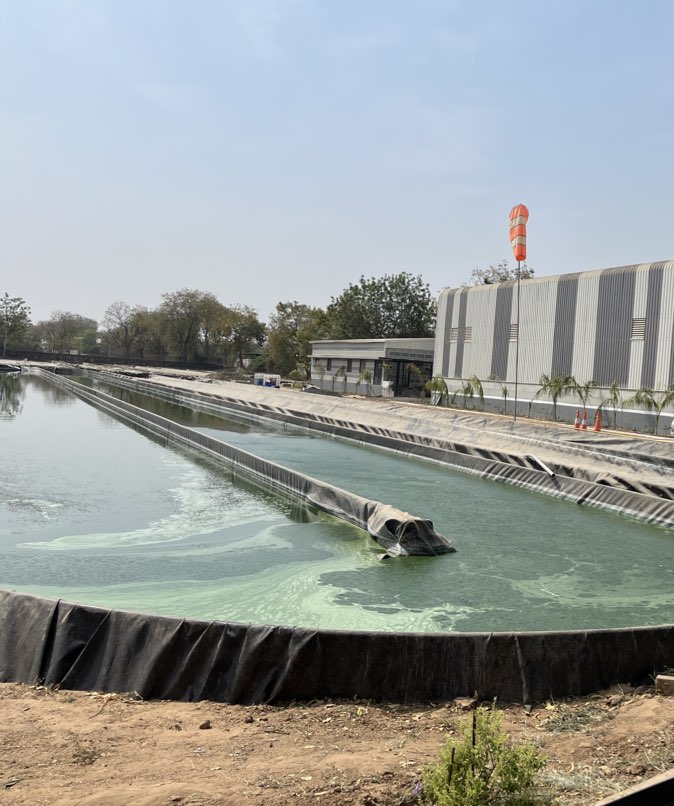
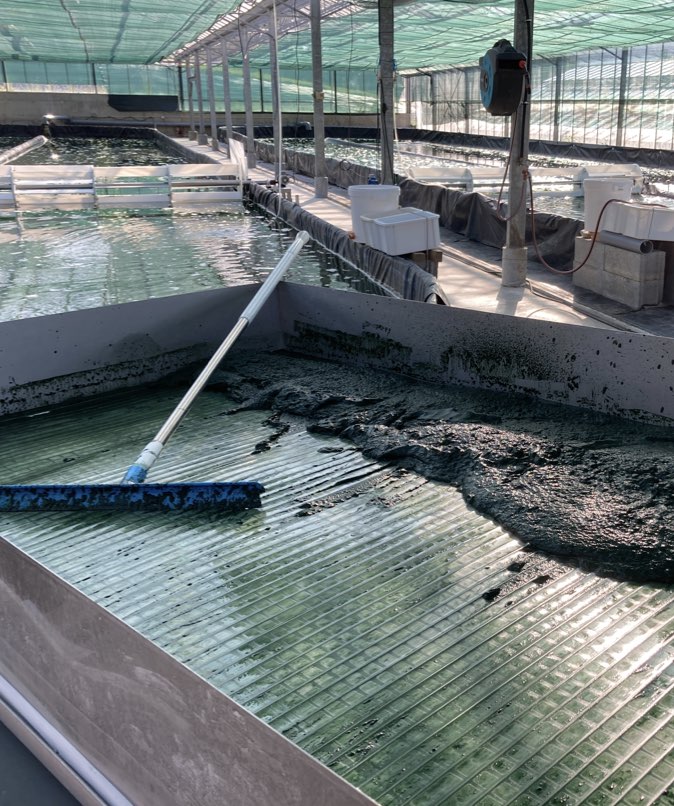
Traditional spirulina cultivation relied on open pond systems with basic monitoring, which often limited yields and posed challenges in maintaining consistent quality. Today, technological advancements and scientific approaches are transforming every stage of spirulina production. Modern farms integrate automated water quality monitoring, controlled temperature regulation, and nutrient optimization, ensuring that spirulina grows under ideal conditions year-round. These innovations not only maximize productivity but also guarantee the purity and potency of the harvested biomass.
Manufacturing processes have also evolved significantly. Sophisticated drying techniques, such as spray drying and freeze-drying, preserve delicate compounds like phycocyanin and essential micronutrients, ensuring that the nutritional value of spirulina is retained from farm to supplement. Precision in processing has enabled the creation of diverse product forms, from powders and tablets to effervescent drinks and functional blends, making spirulina more versatile and consumer-friendly than ever before.
Sustainability is another key focus driving innovation in spirulina farming. Modern cultivation systems minimize water usage and reduce energy consumption, while also employing eco-friendly harvesting and processing practices. Some farms are exploring closed-loop systems and renewable energy integration to create a nearly zero-waste production cycle, aligning with growing global expectations for environmentally responsible nutraceutical manufacturing.
India’s unique advantage lies in combining its favorable climatic conditions with cutting-edge research. Startups and established companies alike are experimenting with high-yield spirulina strains, optimized nutrient formulations, and smart farming technologies such as AI-powered monitoring, which can predict growth patterns and prevent contamination. These innovations make it possible to produce premium-quality spirulina consistently, at scale, and with lower operational risks.

The benefits of innovation in spirulina manufacturing and farming extend beyond economics. By improving accessibility, affordability, and quality, these advancements are helping make spirulina a staple in the Indian diet, supporting immune health, energy, and overall wellness. The integration of research-backed techniques and sustainable practices ensures that spirulina not only meets the demands of today’s consumers but also contributes positively to environmental stewardship.
As the Indian nutraceutical market continues to expand, spirulina stands out as a symbol of how innovation can transform natural resources into powerful health solutions. By investing in modern farming technologies, advanced processing methods, and sustainable practices, the industry is paving the way for a future where superfoods like spirulina are accessible, effective, and environmentally responsible, offering a true blueprint for the next generation of nutraceutical excellence.
At ABGVB, we guide businesses through every step of establishing a high-quality Spirulina farm and processing unit. From farm design and cultivation techniques to state-of-the-art processing and product development, our turnkey solutions ensure efficiency, sustainability, and maximum yield. Partner with us today and transform your Spirulina venture into a thriving, future-ready nutraceutical business.